
Explainer
Amazon Brushing Scam: Why You Got a Package You Didn't Order
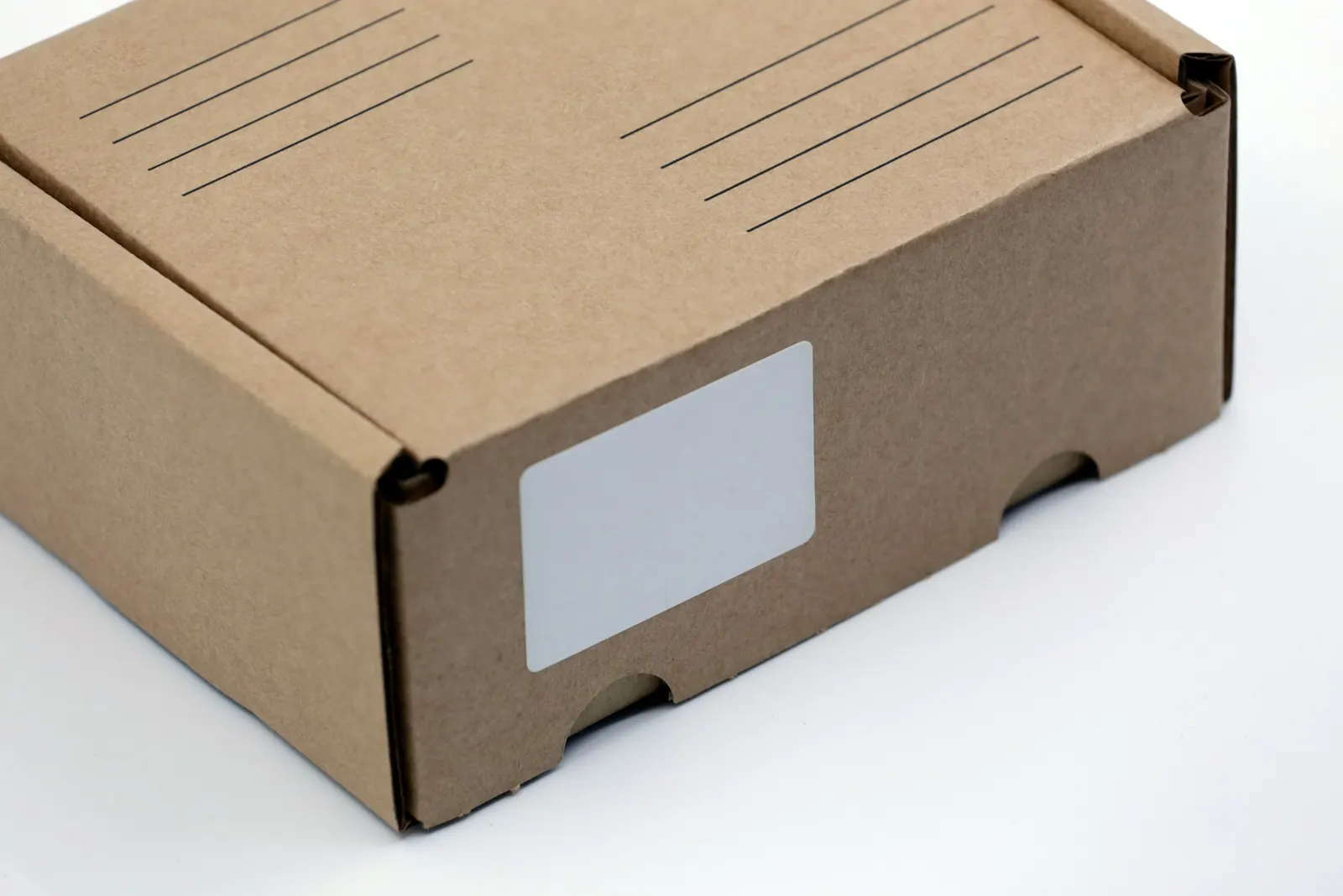
A box shows up with your name on it. Inside is something cheap you never ordered: seeds, a phone case, a pack of wipes. It's tempting to shrug it off as a mix-up, but often it isn't.
What Is a Brushing Scam?
A brushing scam is when a seller sends an item to someone who didn't order it, then uses that delivery to post a review under the recipient's name. The FTC describes it as a scam where "a scammer uses your name to leave a fake review for that package you didn't order" (FTC, August 2026).
The package may look like it came from Amazon or another well-known retailer, or from a person or business you don't recognize. The item inside is usually low-cost.
Why Sellers Send Packages You Didn't Order
The goal is the review, not the sale. A recorded delivery to a real name and address lets the sender post reviews that look like they came from a real customer. Those reviews are meant to push up the product's sales (FTC, January 2025).
Brushing is one of several ways sellers get reviews they didn't earn. Our explainer on how fake Amazon reviews work covers the others, including refund-for-review deals.
Is a Brushing Package a Sign Your Data Was Stolen?
It can be. The FTC warns that an unexpected package may mean someone has your personal information or is trying to get it. Senders can find addresses and other details online (FTC, January 2025).
Watch for one newer twist: some packages include a note with a QR code that claims to reveal the sender or arrange a return. The FTC says scanning it can lead to a phishing site built to steal card numbers, usernames or passwords (FTC, August 2026). Don't scan it.
What to Do If You Get One
- You don't have to pay or send it back. In the US, you don't have to pay for or return merchandise you didn't order (FTC). The FTC also suggests caution about using an item when you don't know where it came from.
- Don't contact the sender. A reply can give them more of your information.
- Change your passwords on your online shopping accounts, in case one was compromised.
- Tell Amazon about the seller if the package came through Amazon, so it can investigate. Amazon has a help page for reporting unsolicited packages.
- Report it to the FTC at ReportFraud.ftc.gov.
- Check your credit reports for signs of identity theft. You can get them free every week at AnnualCreditReport.com.
Steps 2 to 6 follow the FTC's advice in its January 2025 and August 2026 alerts.
How Brushing Shows Up in a Product's Reviews
A review written through brushing looks like any other review, so you usually can't spot one on its own. What you can spot are the patterns around it, which our 9-checks guide walks through:
- A burst of 5-star reviews in a short window.
- Several reviews that repeat the same phrases.
- A high rating on only a few reviews, for a cheap, recently listed product.
If you received a brushing package and want to see how much you can trust the reviews on that product, paste its Amazon link into the FakeFind review checker. You'll get a Trust Score from 1 to 10 and the FakeFind Rating, Amazon's star rating with the suspicious reviews discounted. It's free and needs no account.
Frequently Asked Questions
Can I keep a package I didn't order?
Do I have to pay for an item I didn't order?
Should I report a brushing scam to Amazon?
Does a brushing package mean my Amazon account was hacked?
Should I scan the QR code that came with the package?
Why would a seller send me something for free?
Sources
- That unexpected package you got could be a brushing scam — FTC Consumer Advice, August 20, 2026
- Got a package you didn't order? It's probably a scam — FTC Consumer Advice (Jim Kreidler), January 6, 2025 (updated January 15, 2025)
- What To Do if You're Billed for Things You Never Got, or You Get Unordered Products — FTC Consumer Advice, updated November 25, 2025
Check an Amazon Product Now
Paste any Amazon link to see how much you can trust its reviews. Free, no account.